Medically reviewed by Dr. Ponlawat Pitsuwan, Physician, Takecare Clinic Phuket. Last reviewed: September 2026.
A lingering cough after a cold is very common in travellers, and many arrive expecting antibiotics. Acute bronchitis is usually viral, so I focus on checking that the lungs are clear, easing the symptoms and explaining that the cough can take a few weeks to settle.
A chesty cough is one of the souvenirs people least want from Phuket, and it usually begins before they arrive. A cold caught at home or on the plane settles into the chest in the first week, and the cough carries on long after the runny nose has cleared. Chilled air conditioning, smoky bars and vaping lounges keep the airways irritated. The people who come to us are rarely very ill; they are tired of coughing through the night and wondering whether they need antibiotics.
What is happening in your airways
Bronchitis means inflammation of the bronchial tubes, the branching airways that carry air into the lungs. In acute bronchitis a virus, most often one of those behind colds and flu, infects their lining, which swells and produces extra mucus, and the cough reflex fires to clear it. Sputum may be clear, yellow or green; the colour comes from immune cells, not bacteria. The cough typically lasts one to three weeks and sometimes up to four while the airways heal. Chronic bronchitis is different: a productive cough on most days for at least three months in two consecutive years, usually from smoking, and part of chronic obstructive pulmonary disease (COPD), which is managed differently.
Bronchitis, or something else?
| Condition | Typical symptoms | What points to it |
|---|---|---|
| Acute bronchitis | Cough, with or without phlegm, mild or no fever | Normal breathing rate and oxygen |
| Pneumonia | Fever, breathlessness, pain on breathing in | Fast breathing, crackles, low oxygen, raised CRP |
| Asthma flare | Wheeze, chest tightness, night cough | Reduced peak flow, relief with an inhaler |
| Whooping cough (pertussis) | Coughing fits, sometimes a whoop or vomiting | Cough beyond two weeks, worse at night |
| Reflux cough | Dry cough after meals or lying down | Heartburn, worse after alcohol and late dinners |
| Post-nasal drip | Tickle, throat clearing | Blocked nose, sinus or allergy symptoms |
How we examine and treat bronchitis
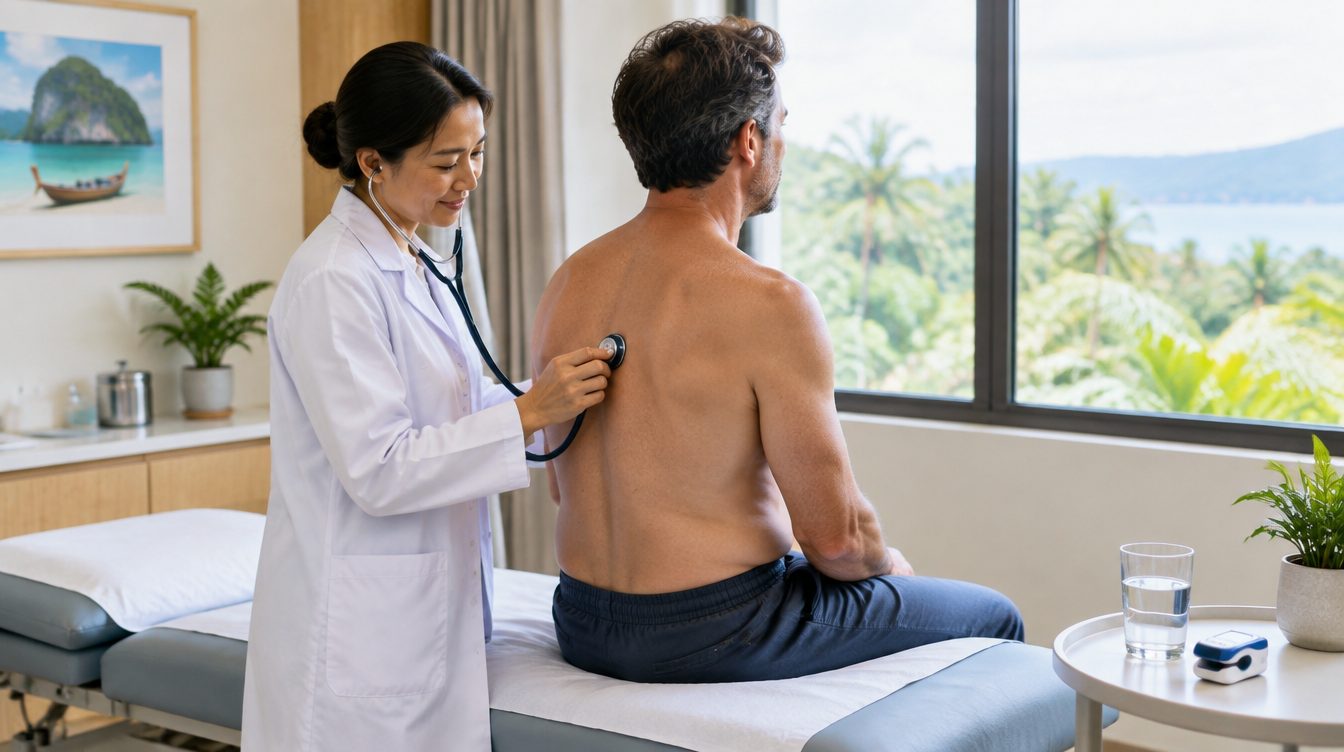
The question is whether this is simple bronchitis or something more. The doctor checks your temperature, pulse, breathing rate and oxygen saturation and listens to your chest. If there is concern, a C-reactive protein (CRP) blood test, which measures inflammation, helps show whether a bacterial chest infection is likely; a flu or COVID-19 swab may be added, and a chest X-ray is arranged through a hospital when pneumonia is suspected.
NICE guidance on acute cough is clear that antibiotics make little difference to uncomplicated bronchitis and bring side effects such as diarrhoea and rashes. They are considered for people who are very unwell, show signs of pneumonia, or are at higher risk because of serious heart, lung or immune conditions or frailty, and for suspected whooping cough, where a macrolide such as azithromycin or clarithromycin is used. If you wheeze, an inhaled bronchodilator such as salbutamol eases the tightness.
Easing the cough while it clears
Honey is one of the few cough remedies with reasonable evidence: a spoonful in warm water with lemon before bed can quieten a night cough (not for babies under one). Drink plenty so mucus stays thin, and use paracetamol for aches or fever, choosing it over ibuprofen if you have a fever in Phuket until dengue has been ruled out. Over-the-counter medicines containing guaifenesin, which loosens mucus, or dextromethorphan, a cough suppressant, help some people, although the evidence is modest; codeine syrups are best avoided. A hot shower before bed and an extra pillow reduce night coughing. If you smoke or vape, stop now, because smoke paralyses the tiny hairs that sweep mucus out of the airways.
The Phuket angle: diving, flights and haze
The question we hear most here is about diving. Scuba diving with an active chest infection is not advisable: mucus and swollen airways can trap air in parts of the lung during ascent, raising the risk of lung overexpansion injury, and coughing through a regulator is hazardous. Wait until the cough and any wheeze have fully cleared, and have a dive medical if symptoms persist. Flying is usually fine once the fever has gone, though dry cabin air can worsen the cough. In some years, smoke haze from fires further south in the region drifts over southern Thailand, so check local air quality if your cough flares on hazy days.
When to see a doctor
People over 65, smokers, and anyone with heart disease, asthma, COPD, diabetes or a weakened immune system should be seen sooner rather than later. Violent coughing fits, particularly with a whoop or vomiting, should be checked for whooping cough, which spreads easily to babies.
Prevention and early detection
Avoiding the viruses that cause bronchitis is the best protection: wash your hands, keep your distance from people who are coughing, and do not share drinks or vapes. The annual flu vaccine and COVID-19 boosters lower the risk of chest infections for older adults and people with lung disease, and the pertussis vaccine matters for pregnant women and anyone around newborns; ask us on WhatsApp whether these are in stock today. For early detection, a cough that returns with every cold deserves a lung function test (spirometry) back home to look for asthma or COPD, and a cough beyond three weeks with weight loss, night sweats or blood needs a chest X-ray.
Getting your cough checked at Takecare Clinic
There is no need to book. Our Bangtao (Cherngtalay) clinic, Kata-Karon clinic and Patong clinic are open 24 hours a day, and walk-in patients are usually seen within minutes. If coughing kept you awake and you would rather not travel, message us on WhatsApp or call +66 81 718 9080 for a hotel visit anywhere in Phuket. Bring a list of your regular medicines and inhalers. We confirm the price on WhatsApp before your visit, bill most travel insurers directly, provide medical reports and itemised invoices, and refer you to hospital if an X-ray or specialist opinion is needed.
Related services and treatments
Many coughs begin as something else. Sudden fever and body aches suggest influenza, covered under flu treatment, and a positive coronavirus swab points to COVID-19 treatment. If a raw throat came first, see sore throat treatment, or tonsillitis treatment if your tonsils were swollen with pus, and for a fever without a clear cause, our fever treatment page. Wheeze that returns with every cold may be asthma, explained under asthma treatment, a tickly night cough with sneezing may need allergy treatment, and blocked ears after a cold and a flight are covered under ear infection treatment. See also our walk-in doctor in Phuket service and all conditions we treat.
Summary
Acute bronchitis is usually viral and clears by itself within three weeks, and green phlegm does not mean you need antibiotics. A visit is about ruling out pneumonia, asthma and whooping cough and easing the cough. Hold off diving until your chest is clear, and get checked if you are breathless, feverish for days, or still coughing after three weeks.
“A cough after bronchitis can last three weeks or more. See us again if you become short of breath, cough up blood or develop a high fever.”
Dr. Ponlawat Pitsuwan, Physician, Takecare Clinic Phuket
Frequently asked questions
My phlegm is green. Does that mean I need antibiotics?
No, not on its own. The green or yellow colour comes from white blood cells fighting the infection and appears in viral bronchitis just as often as bacterial infections. Antibiotics are considered for signs of pneumonia, being very unwell, or a serious lung, heart or immune condition, based on your examination rather than the colour.
How long will my bronchitis cough last?
Most acute bronchitis coughs last one to three weeks, and some linger for up to four while the airways heal, even though you are no longer infectious. The fever and aches usually settle within a few days. If the cough goes beyond three weeks, keeps worsening, or comes with breathlessness or blood, have it checked.
Will insurance cover a visit for bronchitis?
Travel insurance usually covers illness that starts during your trip, including chest infections, subject to your excess and policy terms. We bill most travel insurers directly and also provide a medical report, receipt and itemised invoice for claims you submit yourself. We confirm the price on WhatsApp before your visit.
Do I need an appointment to have my chest checked?
No. All three clinics see walk-in patients 24 hours a day, and you will usually be seen within minutes. The examination, oxygen check and any tests take a short time, and most walk-in visits are complete in under 30 minutes. If you are short of breath, tell reception as soon as you arrive.
Can a doctor check my chest in my hotel?
Yes. A doctor can visit your hotel, villa or condo anywhere in Phuket at any hour, listen to your chest, check your oxygen level and temperature, and arrange medicine. If the examination suggests pneumonia or low oxygen, the doctor will arrange hospital transfer for an X-ray and further care.
Can I scuba dive or fly with bronchitis?
Flying is usually fine once any fever has settled, although dry cabin air can make the cough worse. Diving is different: an active chest infection raises the risk of air trapping and lung injury on ascent, so wait until the cough and wheeze have completely gone, and get a dive medical if symptoms have lasted weeks.
Sources
The NHS explains symptoms and self-care on its bronchitis page. NICE sets out when antibiotics are and are not appropriate in its acute cough antimicrobial prescribing guideline. MedlinePlus summarises causes and treatment on its acute bronchitis overview.
Acute bronchitis, chest infection, chronic bronchitis, COPD, bronchial tubes, sputum, pneumonia, whooping cough, pertussis, C-reactive protein, CRP test, pulse oximetry, chest X-ray, salbutamol, azithromycin, clarithromycin, guaifenesin, dextromethorphan, honey, spirometry, NICE, NHS, MedlinePlus, Bangtao, Cherngtalay, Kata, Karon, Patong, Takecare Clinic Phuket, Dr. Ponlawat Pitsuwan
This page is general health information and not a substitute for a medical consultation.